Why Class A Surfacing Actually Matters?
Let’s be honest — most 3D tools these days are pretty great. You have almost unlimited choice of 3D geometry creation tools. You can build functional parts, full assemblies, run simulations, iterate fast — the whole works. And for a lot of projects, that’s more than enough.
But when you’re working on something where the look and feel really matter? “Pretty good” just doesn’t cut it. These days, appearance means everything. That intangible feeling of desire your product creates — that’s often what pulls people in and turns them into customers. If your product is visually desirable, you’re already ahead of the game.
To do that, your surfaces need to be just… right. No weird forms, volumes, or shapes. No wavy reflections. No awkward transitions. No little things that quietly ruin it when the light hits just the wrong way.
That’s where Class A surfacing — combined with skilled 3D modelers — comes in.
So, what is Class A surfacing or Strak surfaces?
In short: it’s how you get those smooth, perfectly flowing surfaces on the parts people actually see and touch. Think outer shells, housings, casings, visible design faces — from sleek tools to high-end tech, vehicles, and lifestyle gear.
Some of the greatest clay modelers can feel surface connectivity with their hands — just by running their fingers over a physical model. Sounds wild, right? But once you start working with Class A surfaces, you’ll begin to notice the same things — even when you’re just holding your own product. You’ll feel the difference.
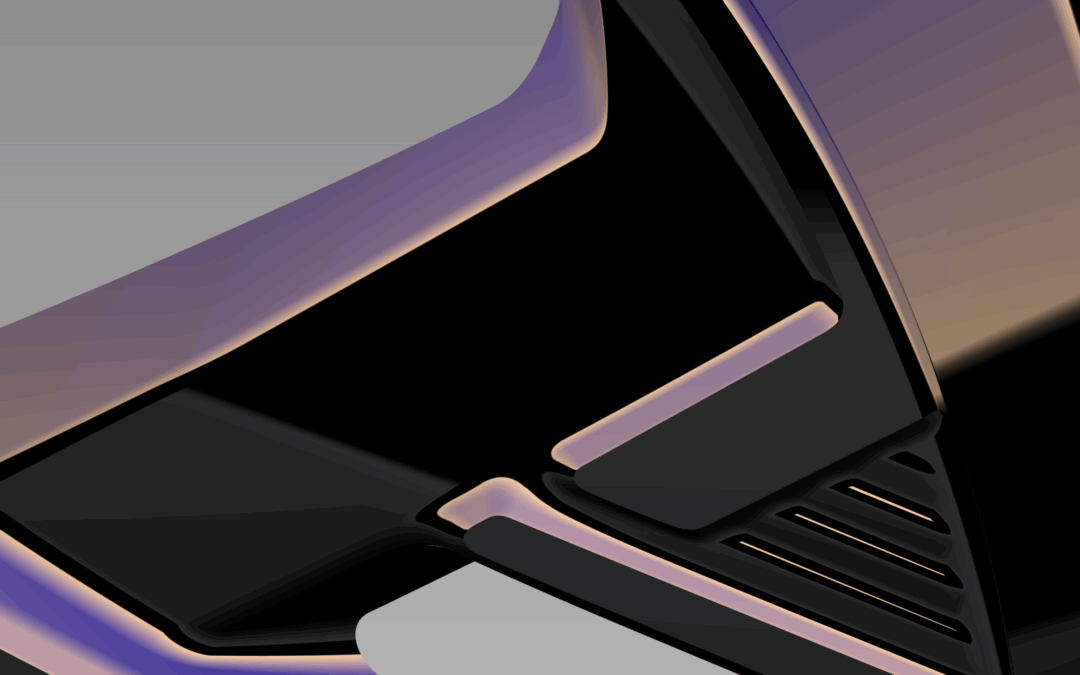
And that’s the point. It’s not just about making something look decent on screen — it’s about shaping something that instantly feels premium, even emotionally engaging, the second you see or touch it. That’s why Class A surfacing is such a staple in industries like automotive, consumer electronics, mobility, performance equipment, and lifestyle hardware.
Why not just use standard surfacing tools?
Here’s the deal: most CAD tools will give you G1 continuity — meaning the surfaces connect and are tangent at the edge. And for many applications, that’s totally fine.
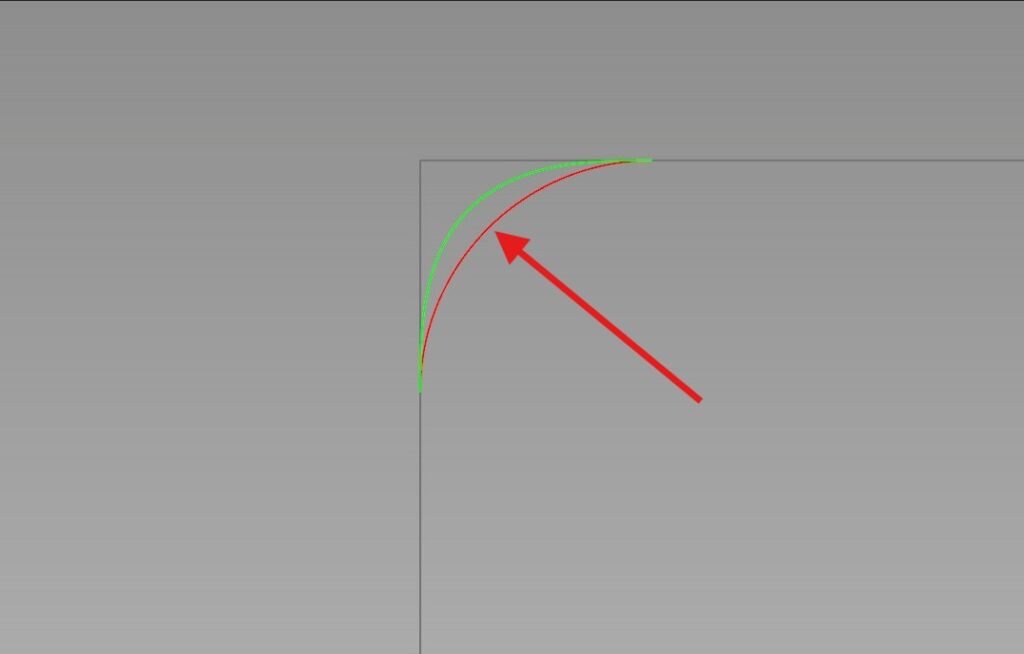
But if you’re after that refined, high-end look? G1 isn’t enough. Think back to early injection-molded plastic products — or those first-generation brick-like mobile phones. Yep, those were usually G1 surfaces. They worked, but they didn’t exactly feel good.
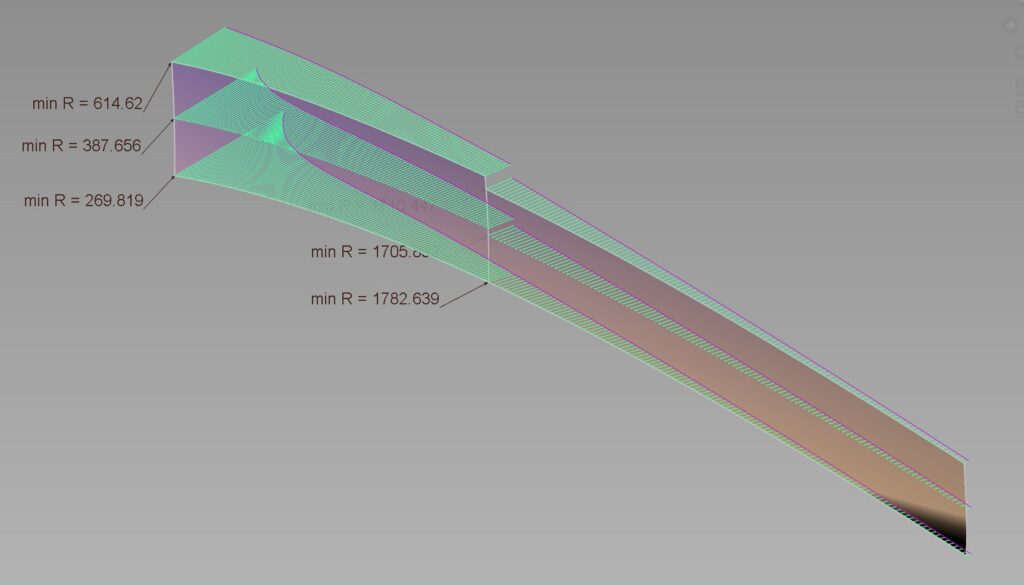
Class A surfacing takes things further — into G2 and even G3 continuity. That’s when surfaces don’t just meet and bend — their curvature blends smoothly and evenly across transitions. No visual breaks. No funny warps. Just clean, intentional flow from one patch to the next.
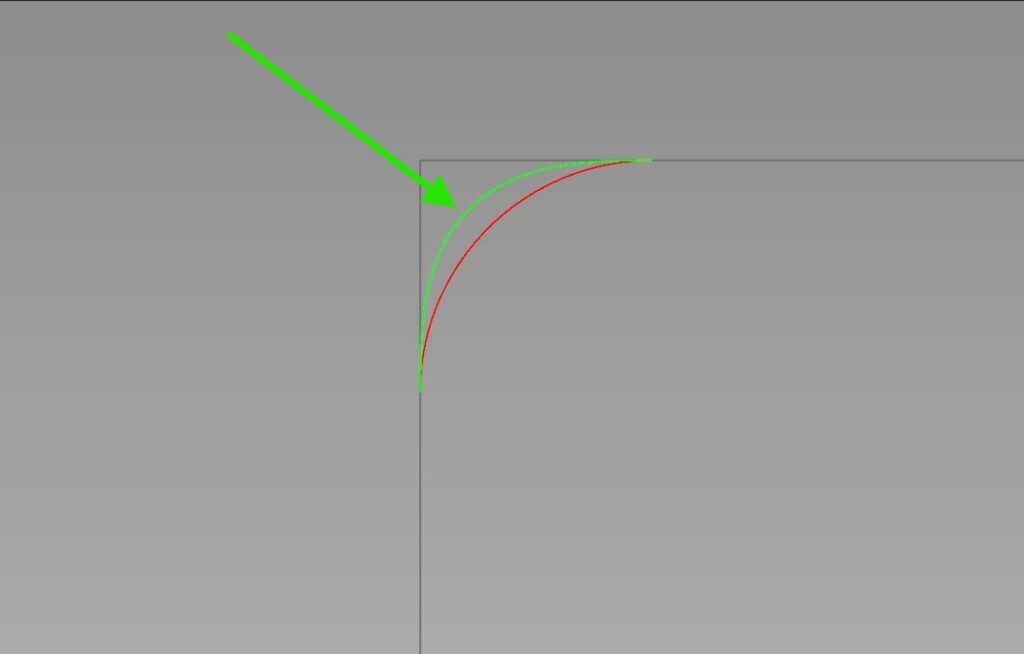
And trust me, it shows — especially when light moves across your product. Ever noticed weird wobbles in a reflection or highlights that look “off”? That’s what happens when the surfacing wasn’t really up to scratch.
It’s not just for the automotive industry
Alias and ICEM are programs used for G2 and G3 geometry creation. People often hear “Class A surfacing” and picture a car hood or fender — and yeah, the automotive world really pushed the limits here. But these same techniques and tools apply to way more than just cars.
Power tools, smart devices, kitchen equipment, performance wearables, even packaging — if the product’s form matters just as much as function, Class A surfacing can make a massive difference.
Personally, we use Alias because it gives us sub-millimeter surface control that’s hard to beat. It lets us move past just sketching the idea, and really start sculpting the feel of a product.
So what do we actually get from Class A surfacing?
Here’s a quick breakdown of the real-world benefits:
- Flawless reflections → thanks to G2/G3 curvature control
- Precision → right down to tiny surface refinements
- Diagnostic tools → like zebra plots and curvature maps that help you see what users will feel
- History-based editing → so changes don’t blow up your model
- Surface blending and matching tools → for transitions that feel intentional, not stitched
It’s not just visual — it’s practical too
There’s this common idea that Class A surfacing is only about how things look. But actually, there’s a very real engineering side to it.
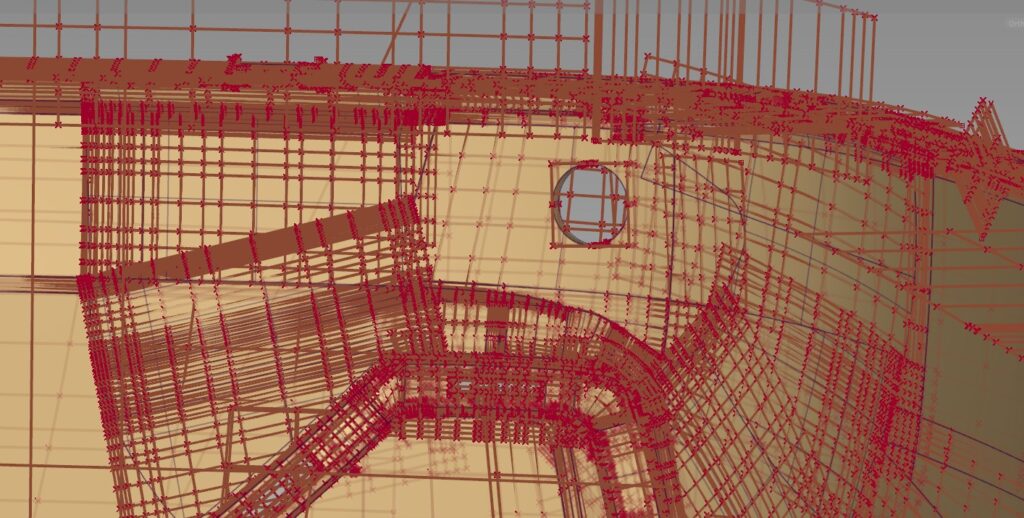
Done properly, these surfaces are easier to manufacture. They give tooling teams cleaner data. They reduce guesswork. They save you from headaches down the line when small geometry issues start turning into expensive tooling changes.
If you’ve ever had to clean up a rushed model or retrofit something before production, you already know the pain. Clean Class A surfacing avoids all of that. It just makes the whole process smoother for everyone involved.
The emotional side of design
Here’s something I really believe: a beautifully surfaced product just feels better. You’ve probably picked something up and thought, “Wow… this feels expensive.”
That reaction isn’t random — it’s designed. And often, it’s the surfacing that makes it happen. People might not consciously see the highlights or curves, but they notice when it’s wrong — and they definitely feel it when it’s right.
And yeah… it’s a real skill
Let’s be real — you don’t just open a program and start doing Class A surfacing overnight. It’s a skill. You’ll stumble, you’ll wrestle with it, you’ll redo things 10 times. But if you stick with it, it gives you a whole new level of control over how your designs come to life.
If you’re a designer or engineer trying to protect a strong design vision, surfacing gives you the tools to defend it — all the way through production. No compromises. No awkward handoffs. Just your design, done right.
Final thoughts
Class A surfacing might seem like overkill if you’ve never needed it. But once you work on something where every edge and reflection really matters — where just holding the object makes someone want it — you start to understand.
It’s not just a technique.
It’s a standard.
And it’s one we stick to every time design needs to do more than just work — it needs to connect.